

Dynamic Data Filtering with Formulas
Filtering data in Microsoft Excel isn't always about dropdowns or built-in filters that come with it. For those who want to create dynamic and automated filtering solutions, Excel formulas are very powerful tools to consider. This becomes extremely useful while making dashboards, reports, or interactive spreadsheets where in-built filters fall short.
This post teaches you how to filter data using Excel formulas actual working method right out of the box. Handling huge datasets or building reports to be given to clients will become easier if you master formula-driven filtering; it will save time and give accuracy.
✅ Why Use Formulas to Filter Data?
- Set up automated filtering systems requiring no manual input.
- Create searchable Excel dashboards.
- Set user-driven inputs using formulas and criteria.
- Combine filtering with charts, pivot tables, or conditional formatting.
🧠Critical Excel Functions for Filtering Data
1. FILTER Function (Excel 365, Excel 2021)
The FILTER function is the most straightforward to return rows from a range based on given logical expressions.
Formula Example:
=FILTER(A2:C100, C2:C100="Electronics")
All rows in A2:C100 where the Category column equals "Electronics" will be returned.
2. IF + INDEX + SMALL + ROW (Compatible with older versions)
Use this array formula when FILTER isn’t available:
=IFERROR(INDEX(A$2:A$100, SMALL(IF(C$2:C$100="Electronics", ROW(A$2:A$100)-ROW(A$2)+1), ROW(1:1))), "")
This dynamically pulls matching rows based on criteria, compatible with older Excel versions.
3. SEARCH + ISNUMBER
For partial matching of text.
=FILTER(A2:C100, ISNUMBER(SEARCH("Electro", C2:C100)))
This is great for implementing a search box experience.
🔄 Combining Filtering with User Input
Take this one step further by creating dynamic search systems where formulas get linked to an input cell.
Example:
=FILTER(A2:C100, C2:C100=F1)
Where F1 contains the category you want to search for.
This turns your spreadsheet into a real-time data exploration tool.
📌 Real-life use cases
- Sales report by product category
- Employee information filtering by department or role
- Filters for dashboards by region or date
- Building client-ready templates with input fields
Excel formulas take filtering one step further. So, whether you're working on a dashboard or automating data views, formulas give you power, flexibility, and scalability over manual filtering.
🎓 Learn More with Other Levels
Take your Excel skills to the next level:
-
🌐 Visit our Other Levels Website
-
📺 Watch free tutorials on our Other Levels YouTube Channel, and learn Microsoft Excel from beginner to advanced.
✍️ Other Articles, Tips & Tricks you would like:
- Inventory Restock Alarm System in Microsoft Excel
- Use Formulas to Filter Data in Microsoft Excel
- Plan and Track Project Timeline using Microsoft Excel
Work Faster, Smarter, Productively and Efficiently with Other Levels Dashboard Template
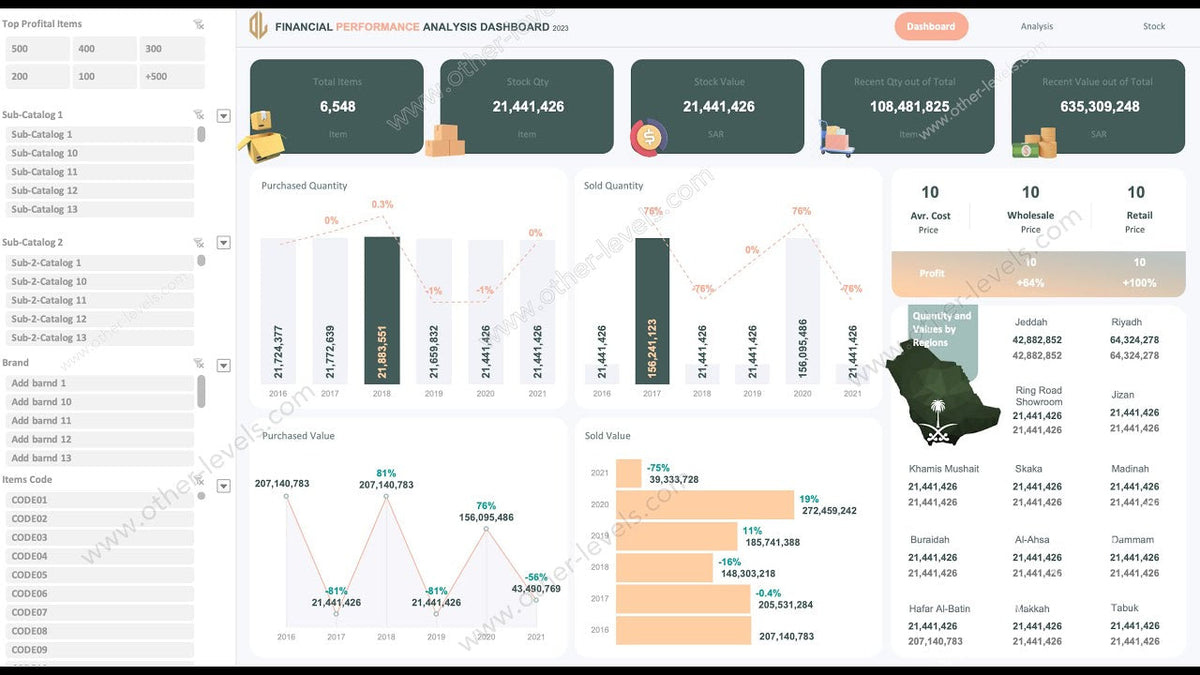
- Financial Statistics Dashboards System - Dynamic Excel Dashboard
- Employee Turnover Analysis Excel Dashboard
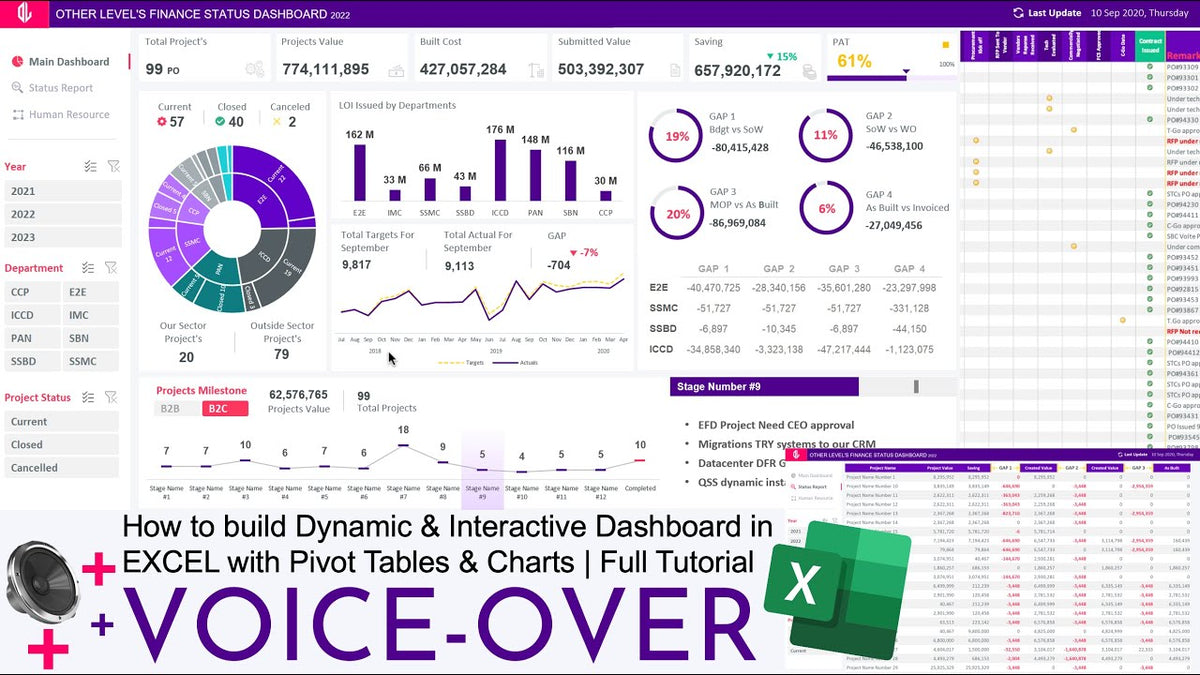
- Project Performance Management Excel Dashboard

Share:
Inventory Restock Alarm System in Microsoft Excel
Auto-Calculate Totals using Microsoft Excel